
The Importance of Quality Dam Liners for Water Conservation and Efficiency
South Africa and numerous agricultural areas throughout the world depend on dam liners to achieve successful water management and preservation. The investment in premium dam liners will protect your water storage system from damage while saving you thousands of liters of water annually and minimizing upkeep expenses.
What Are Dam Liners?
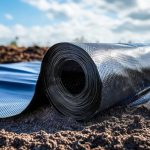
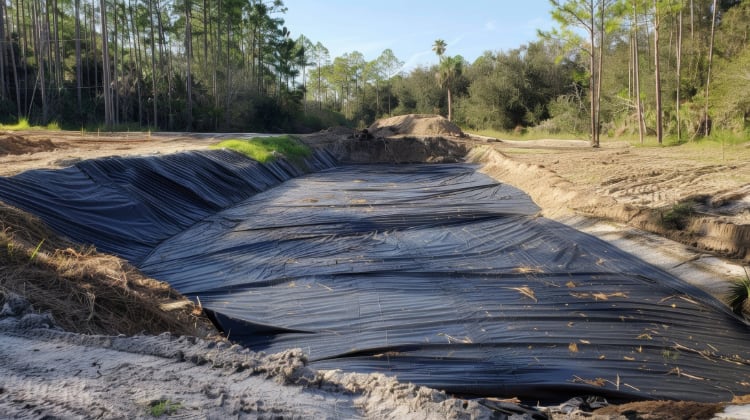
The main function of dam liners consists of creating waterproof barriers which stop water from penetrating through dams and ponds and reservoirs. The stored water remains contained because the liner creates a waterproof barrier that stops water from entering the surrounding soil. The production of dam liners involves HDPE (High-Density Polyethylene) and LDPE (Low-Density Polyethylene) and PVC (Polyvinyl Chloride) materials which provide durability and flexibility and protect against UV radiation and chemical exposure.
Why Dam Liners Are Essential
Prevent Water Loss:
The absence of proper lining in dams results in water loss reaching 70% of stored water because of seepage which becomes more severe when dams rest on sandy or porous soil. The main function of dam liners consists of creating a complete water barrier which maintains all stored water within the system.
Protect the Environment:
The leakage of dams into groundwater causes the contamination of water sources by fertilizers and pesticides and animal waste. The installation of dam liners creates a water-tight barrier which maintains water containment and safeguards the surrounding natural environment.
Cost Efficiency:
The long-term expenses from water loss and maintenance work will exceed the initial price of purchasing a durable liner. HDPE dam liners serve as long-lasting solutions for water storage because they need minimal upkeep and their extended lifespan makes them an affordable choice.
Choosing the Right Type of Dam Liner
The selection process for a dam liner depends on multiple elements which include the dimensions of the dam and the nature of the surrounding soil and the amount of sunlight exposure and the purpose of the water storage.
HDPE: These liners work best for big agricultural and industrial water storage facilities because they offer UV protection and puncture resistance and can operate for 20 years or longer.
LDPE: The flexible nature of LDPE makes them suitable for small-scale water storage projects that require simple installation methods.
PVC: The lightweight design of PVC makes them suitable for short-term or decorative water storage applications.
Your dam liner installation process will succeed when you work with an experienced supplier who will create a customized solution for your site needs.
Installation and Maintenance Tips
The success of your dam liner depends on correct installation methods. The installation area needs to be flat and free from any objects that could damage the liner while the surface needs to be compacted before starting the installation process. The joining process of liners requires professional methods which include welding to prevent any water leaks. Scheduled checks enable you to detect small issues which prevent them from developing into major expenses.
The Future of Water Storage
The growing water scarcity crisis and climate change effects have made dam liners essential for maintaining sustainable water storage systems. The resource conservation of water through dam liners enables sustainable farming practices and aquaculture and industrial water management.
High-quality dam liners represent a sustainable investment which protects the environment while boosting operational efficiency. Your water storage system will benefit from a reliable liner which protects your water supply while saving you money and reducing maintenance needs in the future.