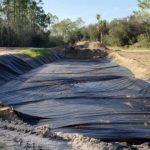

The Role of Geotextiles in Modern Construction and Environmental Protection
Geotextiles serve as fundamental materials for civil engineering and environmental management because they enable sustainable construction projects with extended lifespan. Geotextiles serve as a versatile material which provides stability and filtration and protection functions for use in roads and embankments and drainage systems and erosion control applications.
What Are Geotextiles?
Geotextiles consist of permeable synthetic fabric materials which include polypropylene and polyester as their main components. They are designed to perform several key functions such as separation, filtration, drainage, reinforcement, and protection. Depending on the manufacturing process, geotextiles are generally categorized into two main types:
- Woven Geotextiles – The materials achieve high tensile strength and excellent load distribution because of their regular thread arrangement.
- Non-woven Geotextiles – Made by bonding fibers together using heat or chemicals, ideal for filtration and drainage applications.
These materials function to improve soil performance while they extend their operational period and prevent costly structural failures.
The Main Functions
Separation:
One of the primary uses of geotextiles is to prevent the mixing of different soil layers. The separation between subgrade and base material in road construction protects structural integrity by preventing both rutting and sinking from happening.
Filtration:
Function as filters which enable water to move through while keeping small soil particles from passing through. The system depends on this function to operate properly because it protects drainage systems and erosion control applications and retains walls while preventing soil clogging.
Drainage:
Enable water to pass through soil in waterlogged areas which decreases soil pressure and extends the service life of roads and embankments and retaining walls.
Reinforcement:
Enhance soil strength through their tensile properties which enable better load distribution. These materials serve as essential components for building roads and embankments and slopes because they provide both stability and strength to these structures.
Protection:
Serve as protective barriers for geomembranes which line containment systems to prevent punctures and damage thus extending the operational life of dams and landfills and reservoirs.
Benefits of Using Geotextiles
The use of geotextiles brings various advantages to users during implementation.
- Enhanced soil stability and strength
- Reduced maintenance and construction costs
- Improved drainage and filtration performance
- Environmental protection through erosion control.
- Extended lifespan of infrastructure
Geotextiles provide multiple advantages which make them an intelligent choice for engineers and contractors and environmental planners.
Applications
Geotextiles serve multiple industries through their application in both large-scale highway and railway embankments and small garden drainage systems. Some common applications include:
- Road and pavement construction
- Retaining wall support
- Erosion control measures need to be implemented for protecting riverbanks and shorelines.
- Landfill lining and capping systems
- Agriculture and landscaping projects
Conclusion
Geotextiles function as an affordable dependable solution for building sustainable durable foundations because infrastructure and environmental problems continue to grow. Their ability to adapt and their long-lasting performance and environmentally friendly characteristics make them vital for contemporary engineering and construction projects.