
Pipe and Steel: The Backbone of Modern Infrastructure
Pipe and Steel
In today’s rapidly advancing world, few materials are as essential to infrastructure and industrial development as pipe and steel. These two components form the backbone of construction, energy, transportation, and manufacturing sectors, driving progress across the globe. From skyscrapers to pipelines, the importance of this material is evident in almost every facet of modern life.
The Role of Pipe and Steel in Construction
Construction projects, whether residential or commercial, rely heavily on steel. As one of the strongest and most versatile materials available, steel is used in the structural framework of buildings, bridges, and towers. Pipe and steel work together in construction to ensure the delivery of essential services, such as water, gas, and waste management.
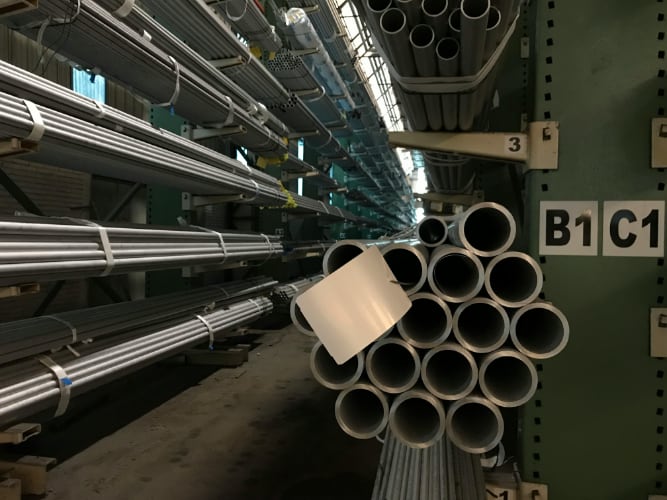
Pipes made from steel provide a durable, corrosion-resistant solution to transporting fluids and gases. In industries like oil and gas, the reliability of steel pipelines ensures that resources are safely moved from production sites to consumers. The durability and strength of steel pipes also make them ideal for supporting critical infrastructure, reducing the need for frequent replacements or repairs.
Industrial Applications
Beyond construction, this material is critical in manufacturing and industrial applications. Steel pipes are commonly used in machinery, automotive parts, and large-scale production facilities. Their ability to withstand high pressure, extreme temperatures, and heavy loads make them indispensable in these demanding environments.
In sectors such as mining, power generation, and chemical processing, steel pipes play an essential role in transporting raw materials, fuels, and industrial by-products. Steel’s corrosion-resistant properties make it ideal for long-term use in challenging environments, ensuring operational efficiency and safety.
Sustainability and the Future of Pipe and Steel
With growing concerns about sustainability, pipe and steel are being reevaluated for their environmental impact. Fortunately, steel is one of the most recyclable materials on the planet. This means that even after its initial use, steel can be repurposed into new pipes, beams, or machinery components, reducing waste and lowering the demand for virgin materials.
As industries adopt more sustainable practices, the demand for eco-friendly pipe and steel solutions is expected to rise. Innovations in steel production and pipe manufacturing are focusing on reducing carbon footprints, making these materials more environmentally friendly while maintaining their strength and durability.
Conclusion
Pipe and steel are critical to the functioning of modern infrastructure and industry. Whether it’s in the construction of skyscrapers or the transport of vital resources, their importance cannot be overstated. As we look to the future, the continued evolution of these materials will play a key role in building a more sustainable and resilient world.
By understanding the vast applications and benefits of these materials, businesses and industries can make informed decisions that lead to stronger, longer-lasting, and more eco-conscious projects.